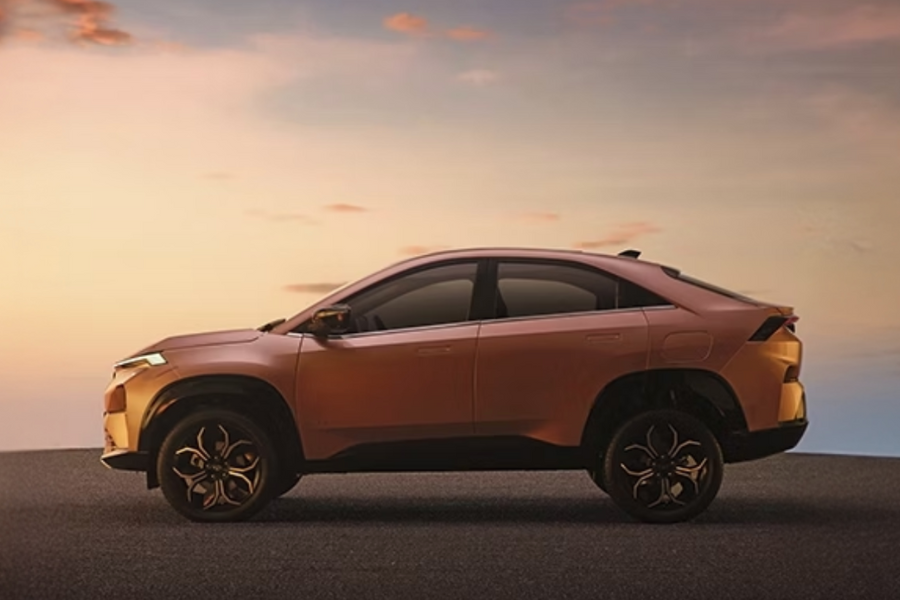
Hybrid and electric cars in South Africa are becoming more visible on our roads, but many drivers are still unsure whether they’re a practical option.
Hybrid and electric adoption in South Africa lags globally, but it’s picking up as more affordable models hit the market and awareness grows.
In 2026, more drivers are asking the same question: are electric and hybrid cars actually worth it in a South African context?
What is the difference
Hybrid cars
Hybrid vehicles combine a traditional petrol engine with an electric motor. The car automatically switches between the two — or uses both — to improve fuel efficiency.
They don’t require charging in the same way EVs do, making them a more flexible option for many South African drivers.
Electric cars
Electric vehicles (EVs) run entirely on electricity. They don’t use petrol or diesel at all and are powered by rechargeable batteries.
They need to be charged via home setups or public charging stations.
Pros of hybrid and electric cars
Fuel savings
One of the biggest advantages is reduced fuel costs. Electric cars eliminate fuel entirely, while hybrids significantly reduce how much petrol you use, especially in stop-start city driving.
Environmental benefits
Electric and hybrid vehicles produce fewer emissions compared to traditional petrol or diesel cars, making them a more environmentally conscious choice.
Smooth driving experience
Electric motors deliver instant power, which means smoother acceleration and a quieter, more refined drive, especially in urban environments.
Cost comparison in South Africa
When comparing hybrid, electric and petrol cars, the real conversation comes down to long-term cost vs upfront investment.
Hybrids sit in the middle. You still use fuel, but far less of it, and maintenance costs are typically lower than traditional vehicles.
Electric vehicles can significantly reduce your monthly running costs because electricity is generally cheaper than petrol per kilometre. You also save on maintenance, as EVs have fewer moving parts and don’t require oil changes.
However, both hybrid and electric cars come with a higher upfront price in South Africa. This means the savings are realised over time rather than immediately.
For many drivers, the decision comes down to how long they plan to keep the car and how often they drive.
Cons in a South African context
Charging infrastructure
Charging stations are still limited in many parts of South Africa. While major cities like Johannesburg, Cape Town, and Durban are improving, access can still be inconsistent, especially for long-distance travel.
Load shedding
Load shedding adds another layer of complexity. Charging an electric car requires planning, and many owners rely on backup power solutions like inverters or solar systems.
Higher upfront cost
Electric and hybrid vehicles are generally more expensive to purchase than traditional petrol cars, which can make them less accessible for many buyers.
Are they worth it in South Africa
The answer depends on your lifestyle and driving habits.
If you’re a city driver with a short, predictable commute and access to reliable charging, an electric or hybrid car can make a lot of sense. You’ll benefit from lower running costs and a smoother daily drive.
If you regularly travel long distances, rely on rural routes, or don’t have access to consistent charging, a fuel-efficient petrol car may still be the more practical choice for now.
In South Africa, electric and hybrid cars are not yet the default — but they are becoming a strong alternative for the right type of driver.
Who should consider one
City drivers
Urban drivers with access to charging infrastructure are best positioned to take advantage of electric vehicles.
Short commute users
If your daily driving is predictable and relatively short, both electric and hybrid cars can work well.
Cost-conscious long-term planners
Drivers who are thinking long-term and want to reduce fuel and maintenance costs over time may benefit the most.
Electric and hybrid cars are not a one-size-fits-all solution in South Africa — at least not yet. But they are becoming more relevant as infrastructure improves and more options enter the market.
For the right driver, they offer real advantages in terms of efficiency, cost savings, and overall driving experience.
The key is choosing what works best for your lifestyle — not just what’s trending globally.
CTA
Explore available vehicles on Weelee and find the option that fits your needs.
Frequently Asked Questions
Are electric cars practical in South Africa?
They can be, especially in cities with access to charging infrastructure and for drivers with predictable daily routes.
Do hybrid cars save fuel?
Yes, hybrids are designed to reduce fuel consumption by combining petrol and electric power efficiently.
Is load shedding a major issue for EVs?
It can be, but many drivers manage this with backup power solutions or by planning charging times.
Are electric cars cheaper to run?
Yes, in most cases they are cheaper to run over time due to lower fuel and maintenance costs.