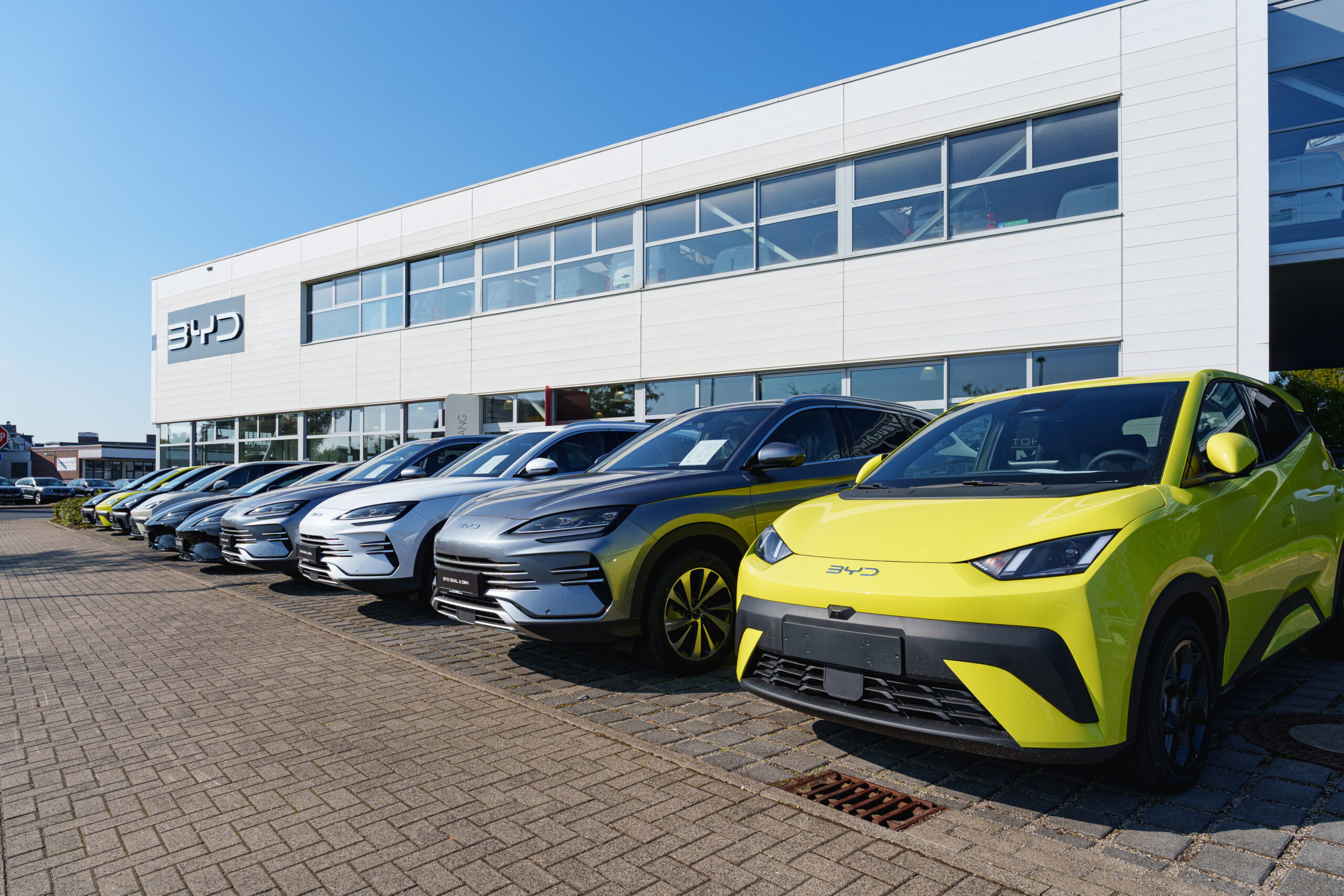
Chinese car brands have been steadily gaining traction in South Africa over the past decade. Known for competitive pricing, modern features, and bold designs, brands like Haval, Chery, GWM, and Omoda are now serious contenders in the local market. But are Chinese cars reliable, and are they worth your investment in 2026?
This guide takes a balanced look at the pros and cons of buying a Chinese vehicle, explores their resale value, and provides tips on what to consider before purchasing, all while helping you navigate Weelee’s platform for available models.
Why Chinese cars are growing in popularity
Chinese cars are no longer just budget-friendly alternatives; they’re becoming competitive on design, technology, and safety. Key reasons for their growing appeal include:
- Affordable pricing: Chinese brands often undercut traditional competitors like Toyota or Ford, making them attractive to first-time buyers.
- Modern technology: Many vehicles come with features such as touchscreen infotainment systems, lane assist, and advanced safety technology, even in entry-level models.
- Bold design: Chinese cars often offer distinctive styling, giving buyers more choice in terms of aesthetics.
- Warranty and service: Many brands now offer 5–7 year warranties and service packages, reducing the perceived risk of maintenance costs.
Pricing advantages of Chinese cars
One of the biggest draws of Chinese vehicles is affordability.
- Lower entry cost: Many Chinese SUVs and sedans are priced 20–30% below comparable models from established brands.
- High value for money: Buyers get more features for the price, such as infotainment screens, safety tech, and larger engines.
- Insurance: Entry-level Chinese vehicles can be cheaper to insure due to lower vehicle value.
Example: A Haval H6 or Chery Tiggo can offer SUV practicality at a price similar to a smaller Toyota or Hyundai model, making them appealing for budget-conscious families.
Technology and features
Modern Chinese cars are packed with features that previously only came in mid-range or premium vehicles.
- Infotainment: Touchscreen systems, smartphone connectivity, and built-in navigation are common.
- Safety: Lane departure warnings, adaptive cruise control, and multiple airbags are becoming standard.
- Comfort: Leatherette seats, climate control, and sunroof options are available even in entry-level variants.
These features help Chinese vehicles compete with established brands, particularly in the mid-range SUV segment.
Reliability and resale value
Reliability remains a concern for many buyers considering Chinese cars, but the perception is gradually improving.
- Mechanical durability: Early models sometimes suffered from inconsistent build quality, but recent generations show significant improvements. Brands like Haval and GWM have invested in quality control and manufacturing standards.
- Parts availability: This can be a challenge, though brands with local dealerships and service centres (Haval, GWM, Chery) mitigate this risk.
- Resale value: Chinese cars traditionally depreciate faster than Japanese or European brands. Buyers should factor in higher depreciation when considering a long-term investment.
Tip: Look for models with extended warranties and well-established local dealerships to reduce risk.
Haval vs Chery vs GWM
Here’s a brief comparison of the most popular Chinese brands in South Africa:
| Brand | Popular Models | Strengths | Considerations |
| Haval | H6, Jolion | Stylish SUVs, good tech, strong warranty | Slightly higher maintenance cost; resale is slower than that of Japanese SUVs |
| Chery | Tiggo 4, Tiggo 8 | Affordable pricing, compact and mid-size SUVs | Parts availability is still improving |
| GWM (Great Wall Motors) | Poer, Ora, Haval SUV | Robust vehicles, competitive features | Some models have a limited dealer network initially |
| Omoda | Omoda 5 | Modern styling, tech-rich | Brand awareness is still growing |
Insight: Haval and GWM dominate the SUV segment, while Chery offers value-for-money compact SUVs. Omoda appeals to younger buyers seeking modern design.
Should you consider a Chinese car?
Buying a Chinese car in 2026 makes sense in certain scenarios:
- Budget-conscious buyers: If you want an SUV or sedan with modern features at an affordable price, Chinese brands offer excellent value.
- Tech and comfort seekers: Many models provide features comparable to more expensive competitors.
- Short- to mid-term ownership: If you plan to drive the car for a few years and enjoy the latest tech and styling, Chinese cars are a good option.
However, if you prioritise resale value or long-term brand reputation, Japanese or European brands may still have the edge.
Tips for buying a Chinese car in South Africa
- Check warranty: Opt for models with 5–7 year warranties to protect against mechanical issues.
- Inspect dealership network: Ensure the brand has service centres in your area for parts and maintenance.
- Research specific models: Some models have better reliability records than others. Read reviews and owner experiences.
- Test drive: Evaluate driving comfort, features, and build quality before committing.
- Consider resale: If resale value is important, factor in potential depreciation when budgeting.
Where to find Chinese cars in South Africa
Platforms like Weelee make it easy to browse available Chinese cars:
- Verified listings: Only vehicles with accurate specs and service records.
- Comparison tools: Compare models, prices, and features in one place.
- Finance and insurance: Explore options for purchasing or insuring your chosen vehicle.
By using trusted platforms, buyers can confidently navigate the growing Chinese car segment. Explore available Chinese cars on Weelee and find a feature-packed, affordable vehicle today.
Frequently Asked Questions
Are Chinese cars reliable in 2026?
Modern Chinese cars have improved significantly in build quality and mechanical reliability, though resale value may still be lower than that of Japanese brands.
Which Chinese brands are popular in South Africa?
Haval, Chery, GWM, and Omoda are the leading brands. Haval and GWM dominate the SUV segment, while Omoda appeals to style-conscious buyers.
Are Chinese cars cheaper than Japanese or European models?
Yes, they generally offer lower entry prices and more features for the same budget.
Do Chinese cars have good warranties?
Most models now come with 5–7 year warranties, giving buyers peace of mind.
Should I buy a Chinese car if I plan to resell it in a few years?
Consider depreciation carefully; while they are affordable and feature-rich, resale values are generally lower than those of Japanese or European vehicles.